
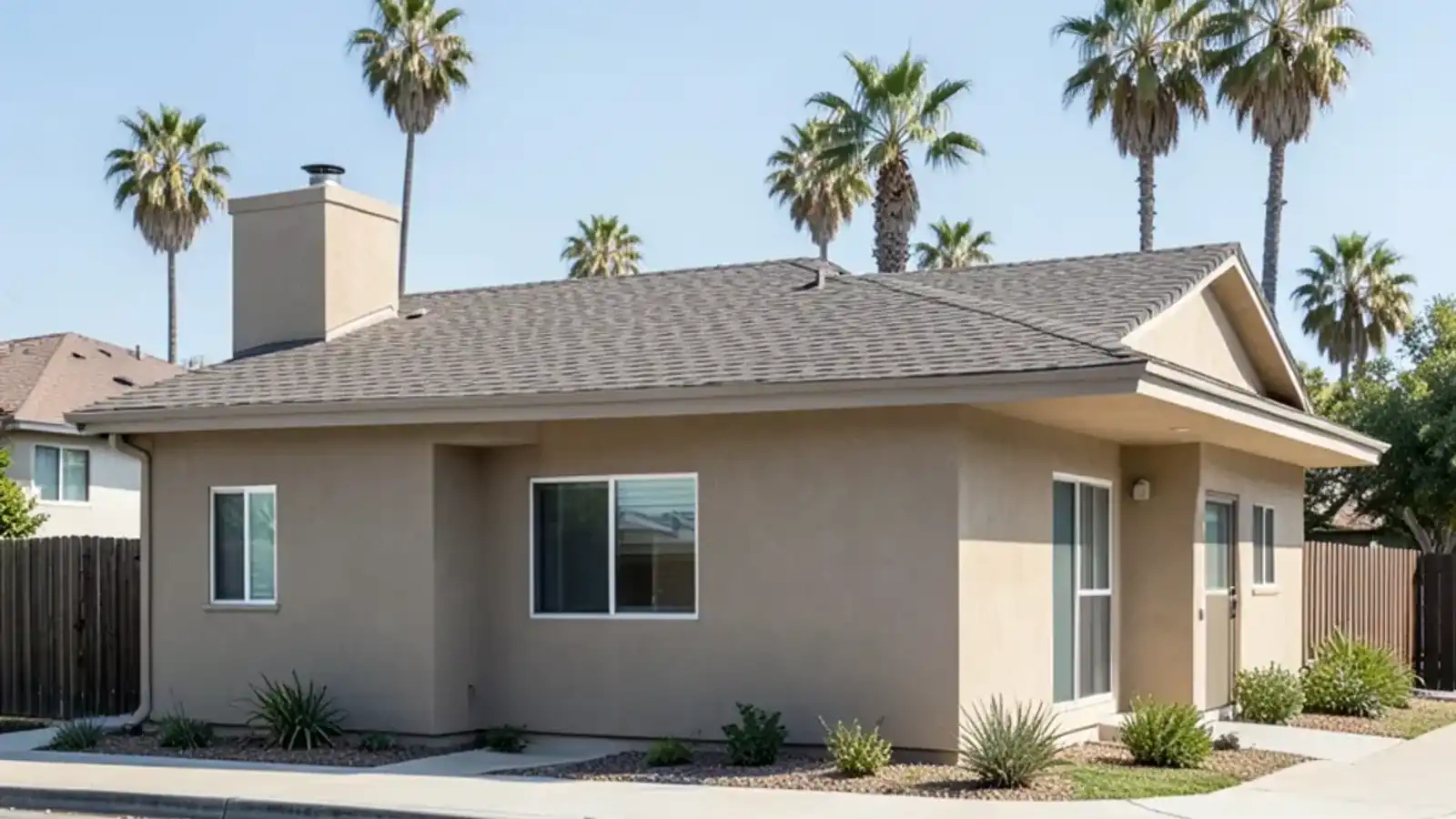
Roof Replacement
Should You Replace Your Roof Before Installing Solar?
Replace your roof before solar if it has less life left than the panels will run, or if it leaks, sags or has failing decking. A newer roof in good shape can take panels as it is. Re-roofing first is simpler because the array never has to come off and go back on.
- ★ 4.9 on Google · 69 reviews
- Same-day or next-day bookings
- Based in Van Nuys, CA
Published and updated November 3, 2026 · By the Clear Shield Roofers team, Van Nuys, CA
On this page
- A quick test for whether to re-roof first
- What goes wrong when a worn roof sits under panels
- What a roofer looks at before panels go on
- How old is too old for a roof under solar?
- How do panel mounts and roof penetrations affect leak risk?
- Should you re-roof and install solar as one project?
- The roofer's view: where we would slow the project down
- How roof type changes the solar question
- Permits, cool-roof rules and rebates when you re-roof first
- Re-roofing before solar for a Burbank home
- What should you do this week if you are planning solar?
- Common questions
Replacing the roof before solar is the right order for most roofs past middle age, for one practical reason. Panels often stay up for 25 years or more. If the shingles under them wear out in ten, somebody has to take the array off, re-roof and put it back.
That second trip costs real money and a gap in your solar production. So the question is not whether the roof is leaking today. It is whether the roof will outlast the equipment on top of it.
A quick test for whether to re-roof first
Run your roof through this table before you sign a solar contract:
| Roof condition | Usual call before solar |
|---|---|
| Young, well inside its rated life, no leaks | Panels can go on as is |
| Middle-aged, wear showing on the sun-facing slopes | Get an inspection, then compare timelines |
| At or past rated life, or age unknown | Replace first |
| Active leak or stained ceilings | Repair or replace first |
| Soft decking or sagging lines | Replace first |
| Tile with failed underlayment | Replace or relay the underlayment first |
Lifespans are rough guides, and the manufacturer's rated life governs. Condition matters more than age, so look at the deck as well as the surface.
What goes wrong when a worn roof sits under panels
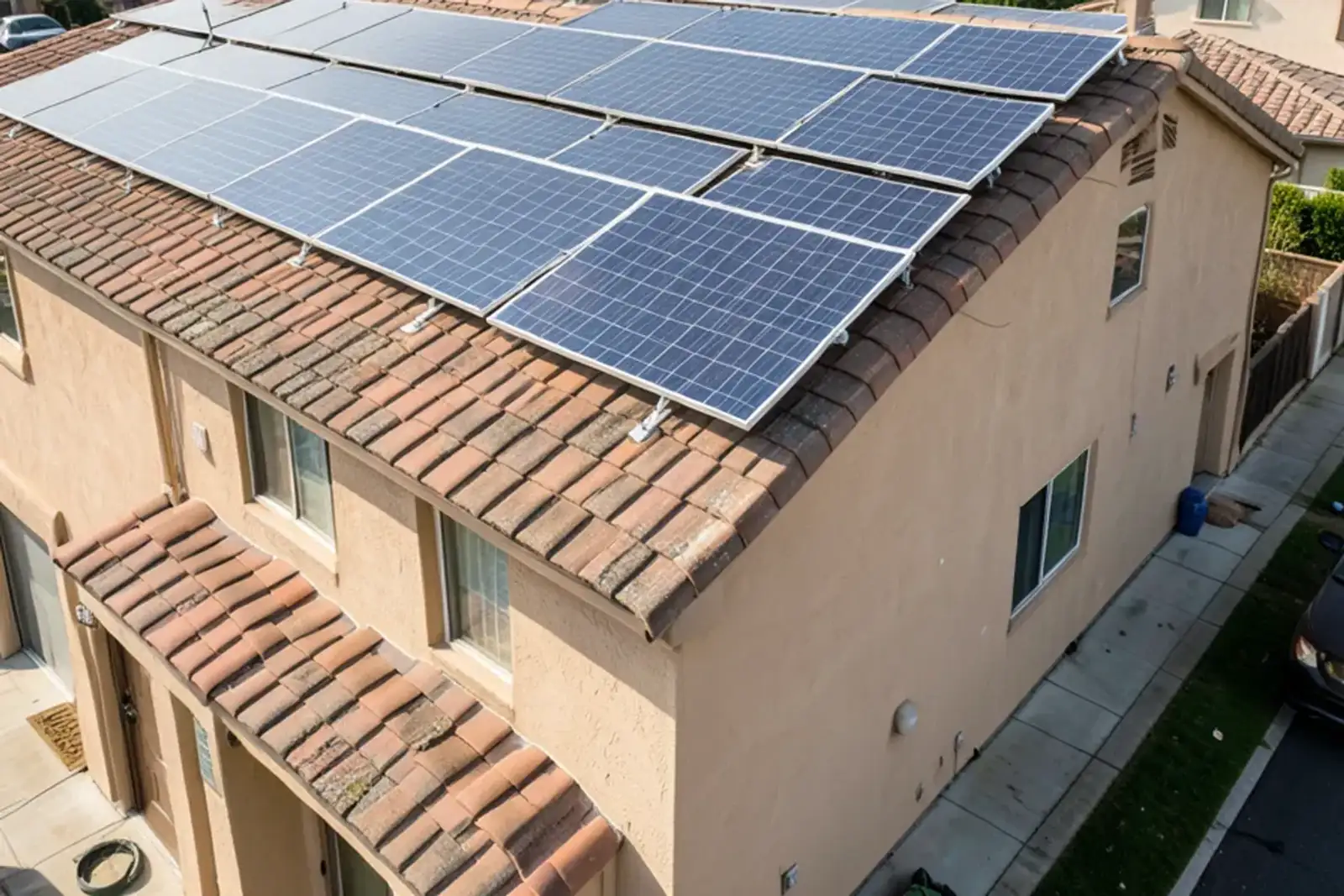
Three things happen. Water that gets in under an array is hard to find, because panels hide the shingles and the flashing around them. A small leak can run for a season before it shows on a ceiling.
Repairs get harder too. A roofer cannot patch under a panel, so a section of the array has to be detached first, and that is solar company work. The panels also shade parts of the shingle surface, so wear shows up unevenly and edges around the array age faster.
Then there is cost and timing. Labor to detach and reset an array is on top of the re-roof itself. Ask the solar company for that price before you decide the roof can wait. Do not let a sales deadline rush you, either. IRS guidance says the federal residential solar credit ended for expenditures after December 31, 2025, so ask a tax professional about your own case.
What a roofer looks at before panels go on
This is the walk we would do on a roof you plan to cover with solar:
- Check the age and product. We find out what is on the roof and how worn it is.
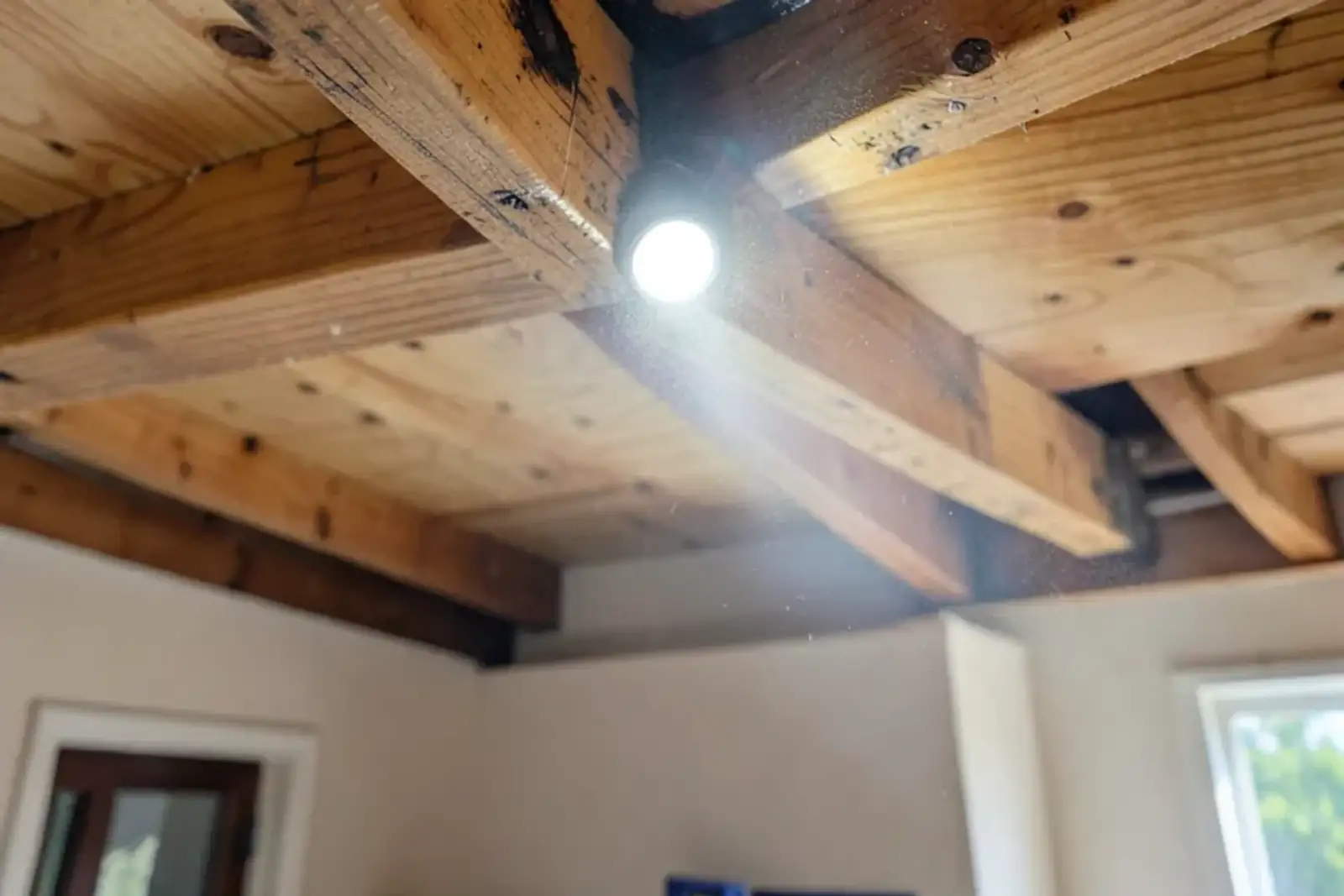
- Go up in the attic. Stains, damp insulation and daylight show what the surface hides.
- Probe the deck. We press and tap for soft boards and sagging between rafters.
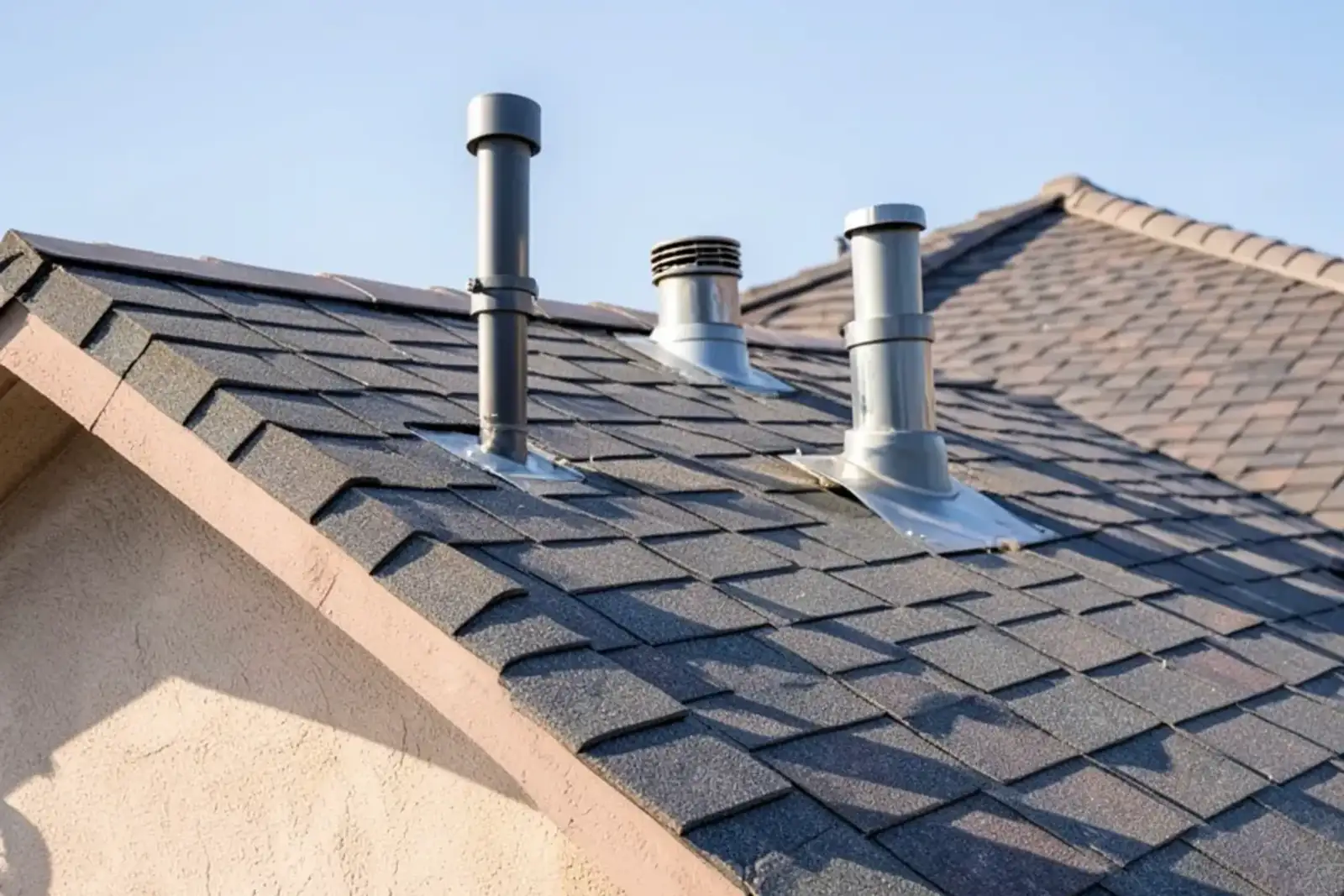
- Study the penetrations. Vents, flues and skylights may need to move before panels go on.
- Photograph and measure. Reviewers in Van Nuys mention pictures and measurements before quoting.
- Write up the options. You see what we found, with a price for each path, in writing.
Poorly placed penetrations come up often. One Van Nuys reviewer describes us finding a poorly placed roof vent during an inspection. A vent in the middle of a panel layout forces a choice between moving the vent now or cutting around it later.
How old is too old for a roof under solar?
Published guides disagree. Some suggest a roof with only a few years of useful life left should be replaced first, while others say a roof over ten years old deserves a look, and others put the comfortable limit at fifteen. The spread shows that age alone is a weak test, and much of that advice comes from companies that sell either roofing or solar. The sound test is the one in the table above: remaining good years against the years the panels will run.
For shingles, that means judging wear, not the date on the invoice. Curling, bare patches and a gutter full of granules say more than age. A roof facing south that is baked by Valley summers may be further along than the same shingle on a shaded north slope. Manufacturer's rated life governs, and we would not read it as a promise.
How do panel mounts and roof penetrations affect leak risk?
Panels are held on racking, and the racking is attached to the roof at many points. Each attachment is a penetration that has to be flashed and sealed under the roofing, so a solar install adds dozens of places water could enter, over decking you can no longer see. That is the main reason to start with a roof that has sound decking and good underlayment.
Ask the solar company how its mounts are flashed, what the attachment is into, and who is responsible if a mount leaks. Get the answer in writing, together with the roofing terms. A leak at a mount can look like a roofing problem to one company and a solar problem to the other, and you do not want to be the one to referee.
Should you re-roof and install solar as one project?
Often yes, if the roof needs work anyway. Doing both in one sequence means the roofer finishes the new covering, the solar crew mounts on a fresh deck, and the array is never detached and reset. It takes coordination of schedules and permits, and it can delay the solar start by days or weeks.
Reroofing under an existing array reverses the order, and it needs the solar company to detach the panels, a step some building departments now treat as permit work. Ask for that cost and that schedule before you decide to wait.
The roofer's view: where we would slow the project down
We would slow a solar project down in three cases. The first is soft decking, because panels will sit on it for decades. The second is a roof already in the last third of its life, where the re-roof will come before the panels are paid for. The third is a roof with penetrations in the wrong places, such as a vent in the middle of the south slope.
We would not slow it for a young roof in sound condition. The honest trade-off is that waiting for the roof costs you production months and may mean paying a higher price later, while rushing risks paying twice. The right call is made from the attic and the deck, not from a sales calendar.
How roof type changes the solar question
Each roof covering has its own trade-offs under panels:
- Asphalt shingle: the most common case. Wear shortens its life, so match age to the panel run.
- Clay or concrete tile: tile can last a long time, but underlayment fails first. Tile needs special mounts and careful handling.
- Standing seam metal: clamps can grip the seams without drilling through the metal, so it often suits solar, though the roof costs more up front.
- Flat or low-slope: membranes and seams need to be sound, and drains must stay clear of racking.
Some solar companies prefer certain roofs. Ask yours which coverings they mount on, then ask your roofer which of them is sound.
Permits, cool-roof rules and rebates when you re-roof first
A roof replacement and a solar install are generally separate permits. In the City of Los Angeles, the re-roof side runs through LADBS. Independent cities run their own process. Ask both contracts who pulls which permit.
Roof replacements covering more than half the roof must use a cool-roof-rated product, with rules that depend on slope and climate zone. Look up your zone with the California Energy Commission. LADWP residential customers may qualify for a cool roof rebate, with limited funding and a 12-month window from purchase. Burbank has its own power utility, so that rebate does not apply there.
Re-roofing before solar for a Burbank home
Burbank is about 20 minutes and 9 miles from our Van Nuys base by our estimate. Census ACS data puts its median home built in 1959, so plenty of rooftops there are on a second or third cover. If you are planning panels, start with Burbank and ask about the deck. Our solar-ready roof replacement page covers what we would assess, and the roof replacement guide covers the process.
Get warranty terms for both the roof and the array in writing, and ask how they interact if a panel is ever detached.
What should you do this week if you are planning solar?
- Find out the age and covering of your roof, and photograph it.
- Look in the attic for stains, damp insulation and daylight.
- Ask the solar company for its detach-and-reset price and its mount flashing details.
- Ask for a roof inspection and a written repair or replacement price.
- Compare the roof's remaining life with the panels' warranty period.
To have us look at the roof before you sign, call (209) 563-1278 and we will set the earliest visit we can.
Quick answers
How old can a roof be before it is too old for solar panels?
There is no single cutoff, since materials and sun exposure vary. A rough test is whether the roof has at least as many good years left as the panels will run. Many panels are rated for decades. If your shingles are near the end of their rated life, replacing first is usually the sounder move.
Who removes and reinstalls solar panels during a re-roof?
A solar installer, usually. Roofers work on the roof, but disconnecting an array is electrical work that belongs to the solar company. That is why re-roofing after panels go on takes more coordination and expense. We would walk the roof with you and flag what the solar company needs to detach first.
Do I need a separate permit for the roof and the solar in Burbank?
Usually yes. Burbank runs its own building department, and a roof replacement and a solar installation are normally separate permits, so the contracts should say who handles each. The city also runs its own power utility, so LADWP rebates do not apply there. Confirm both permits with the city before work is scheduled.