
Skylights and Ventilation
Attic Too Hot? Signs of Poor Roof Ventilation
The signs of poor attic ventilation are an attic too hot to enter by afternoon, upstairs rooms that stay warm, an air conditioner that never rests and shingles that curl or blister early. In winter, damp insulation and stained rafters point the other way. Here is how to read them.
- ★ 4.9 on Google · 69 reviews
- Same-day or next-day bookings
- Based in Van Nuys, CA
Published and updated November 3, 2026 · By the Clear Shield Roofers team, Van Nuys, CA
On this page
- Signs of poor attic ventilation you can see from the ground
- Why Valley roofs feel it more
- What we look at inside the attic
- Is it ventilation, insulation or a leak?
- Blocked eaves and the vent math
- When we would recommend ridge vents, box vents or a new layout
- How to check your attic airflow in five steps
- What working roofers say about attic vent fixes
- What affects the cost of an attic ventilation fix
- Burbank attics and the 1950s ranch house
- Next step for a hot Valley attic
- Common questions
A roof attic should move air. Cooler air comes in low at the eaves, and hot air leaves high near the ridge. When that loop breaks, heat builds, and the roof and the house feel it.
The signs of poor attic ventilation show up on the roof, in the attic and in the rooms below. They are easy to miss one at a time, and clearer together. Our attic ventilation page covers the fixes, it sits within our wider skylights and ventilation work, and this guide helps you decide if you need one.
Signs of poor attic ventilation you can see from the ground
Start outside and in the rooms, before you climb anything.
- Shingles curling, blistering or losing granules early: especially on the slopes that face the afternoon sun
- Upstairs rooms that stay hot after sunset: the attic is radiating heat down
- An air conditioner that runs long and still struggles: heat load from above
- Paint peeling under the eaves: moisture or heat working on the soffit
- No visible vents: a roof with no ridge, box or gable vents and covered eaves has little chance of moving air
None of these proves the cause by itself. Together they make a pattern worth checking.
Why Valley roofs feel it more
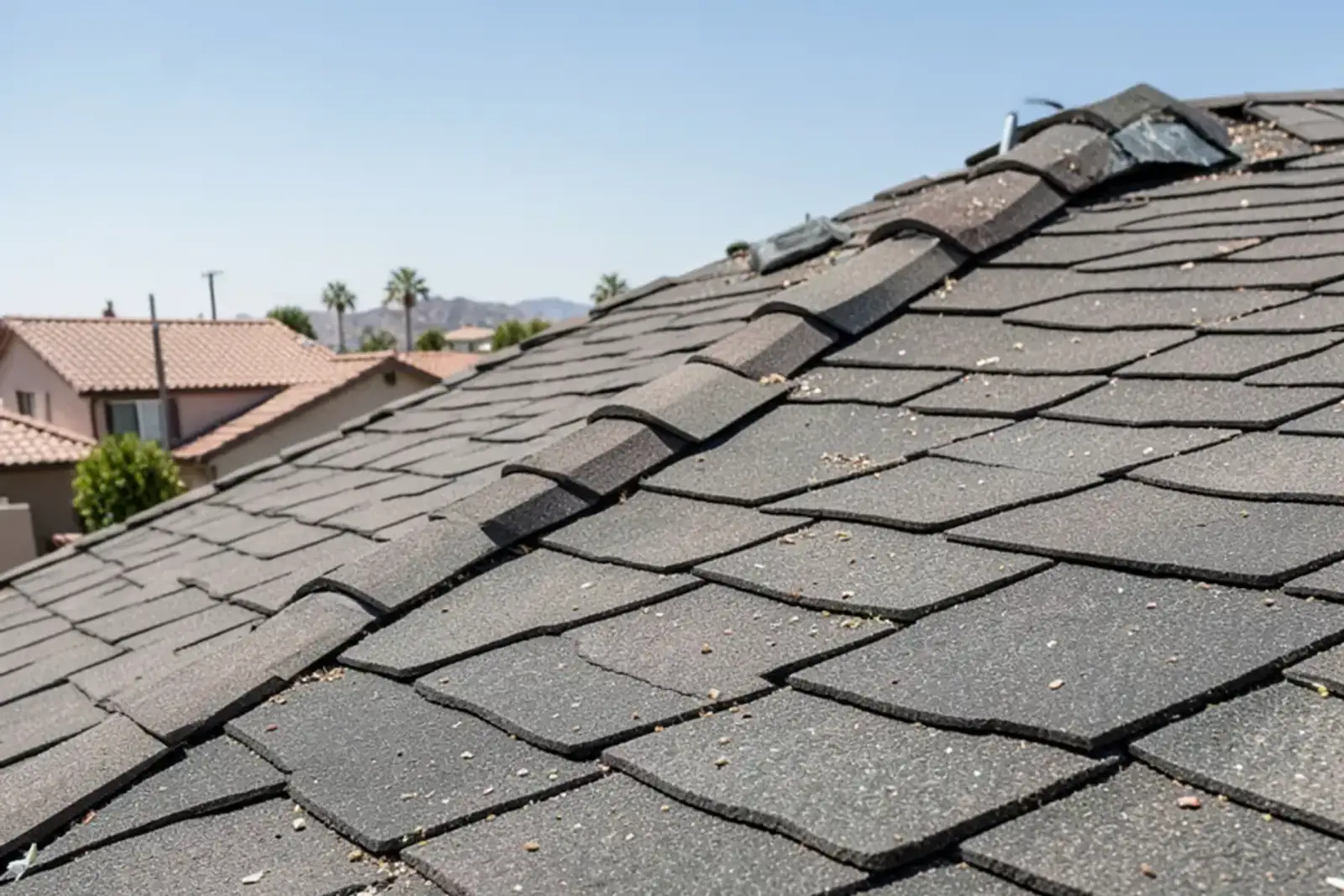
The San Fernando Valley bakes. Van Nuys averages about 77 days a year at 90°F or hotter by NOAA's 1991-2020 normals, against about 26 in downtown Los Angeles and about 5 at LAX. A Valley attic gets many more hours of strong sun, and an attic with poor airflow can run far hotter than the outside air.
That heat ages asphalt shingles faster. Granules loosen, edges curl and the mat dries out. The house pays too, because the hot attic floor pushes heat into the ceiling below.
What we look at inside the attic
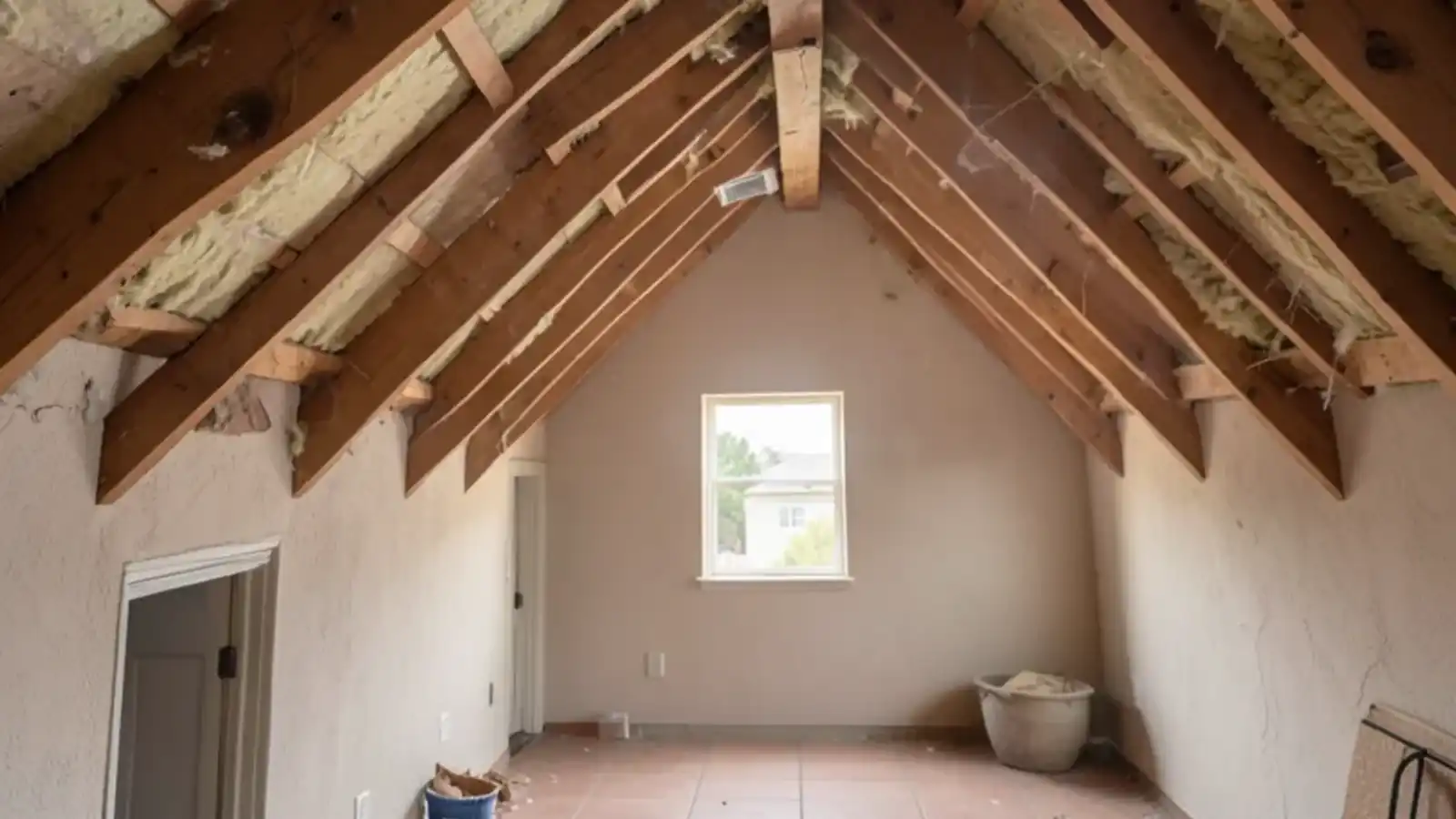
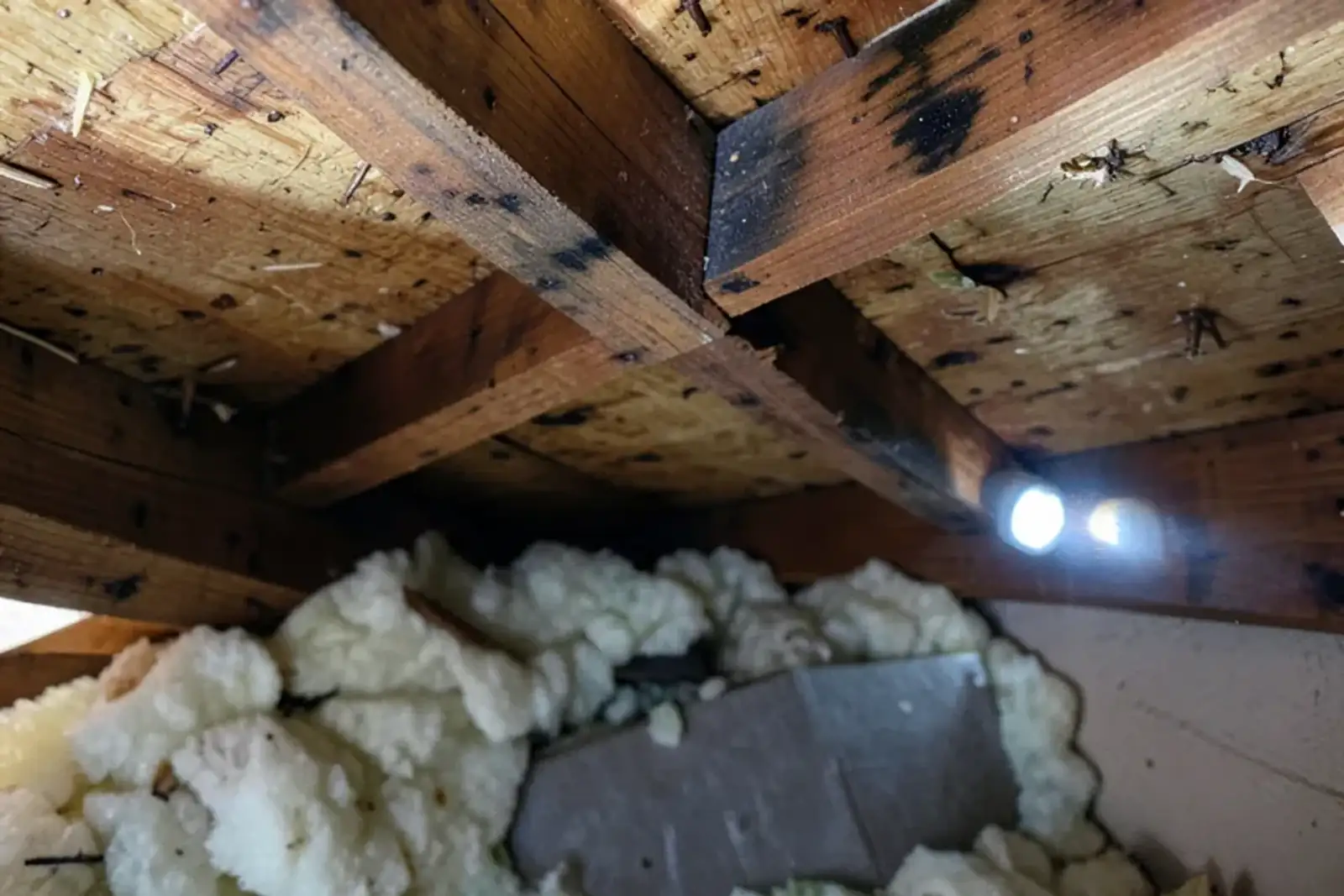
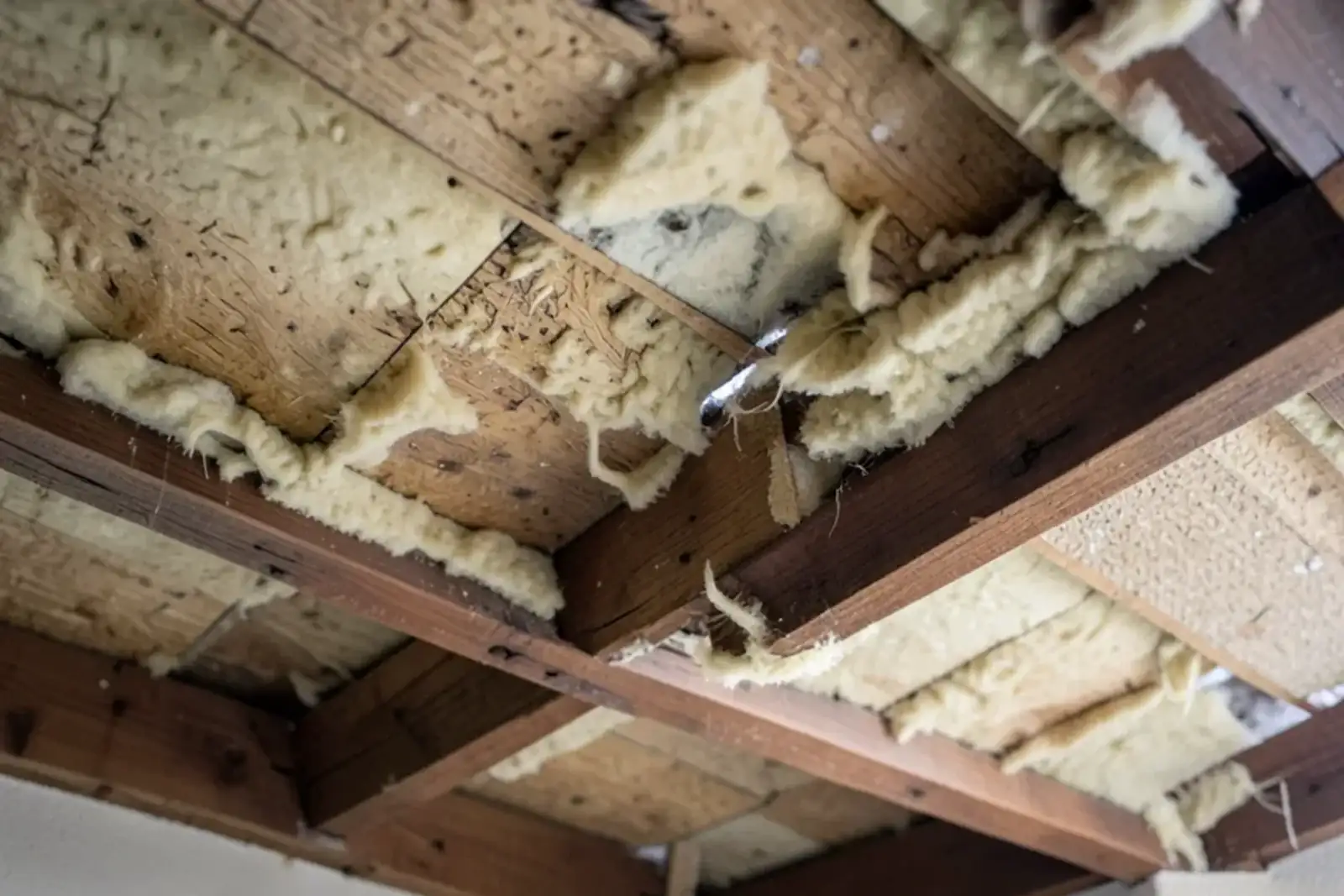
The attic tells the truth. We bring a light, step on framing only and look for the following: whether daylight shows at the eaves, whether insulation has been pushed over the soffit gaps, how many vents the roof has and where they sit. We look at the underside of the roof deck for dark stains, rusty nail tips and damp insulation.
A poorly placed vent can do harm. One reviewer in Van Nuys describes hidden problems being found, including a poorly placed roof vent and the need for bird blocking, which the owners had not known about. A vent high on one slope and low on another can short-circuit the airflow, trading air between two vents without moving the rest.
Is it ventilation, insulation or a leak?
Hot and damp attics look alike from a distance. Compare them this way:
| What you notice | More likely cause |
|---|---|
| Hot all afternoon, dry, shingles aging | Too little exhaust or intake |
| Damp insulation, dark deck, rusty nails | Moisture from the house or a leak |
| Stains around a pipe or chimney | A flashing leak, not ventilation |
| Hot rooms below, thin insulation | An insulation shortfall as well as heat |
| Dust and daylight but still hot | Blocked or too-small intake |
Moisture is usually less of a story in Los Angeles than in colder cities, but a bath fan that vents into the attic or a slow roof leak can still leave damp spots. Fix a leak before adding vents, or the vents will just let more moisture move around.
Blocked eaves and the vent math
Air has to enter before it can leave. Intake vents at the eaves feed the system, and exhaust vents near the ridge release it. Model codes commonly state vent area as a ratio to attic floor area, and the balance between intake and exhaust matters as much as the total. Your local code governs the exact figure.
A common failure is simple: insulation blown in years ago has covered the soffit openings. Sometimes baffles, the thin chutes that hold insulation back from the deck, are missing. Adding exhaust vents without fixing intake does little.
When we would recommend ridge vents, box vents or a new layout
The right fix depends on the roof. A long ridge on a gable home suits a continuous ridge vent. Hip roofs with short ridges may need box vents or a mix. Tile roofs need vents made for tile. We would measure the attic, count what is there and tell you what the roof needs and what it does not.
Sometimes the plan is small: clear the soffits, add baffles and replace one vent. Sometimes it is part of a re-roof, when the work is already open. One Van Nuys reviewer mentions a ridge vent and gutters done after storm-fallen limbs, an example of vent work done alongside other repairs.
How to check your attic airflow in five steps
You can do a first pass safely from the ground and the attic hatch. Stay on the framing and out of the insulation if you go up.
- Look at the eaves from outside: see whether soffit vents are open or painted over
- Find the exhaust: note ridge, box or gable vents and which slopes they sit on
- Open the hatch on a sunny afternoon: a blast of heat that lingers into the evening is a sign
- Check the eave bays: see whether daylight shows and whether insulation is pushed against the deck
- Photograph everything: send the photos before anyone quotes
Pacific Northwest National Laboratory guidance says roughly 40 to 50 percent of vent area should sit high on the roof and the rest low at the soffits, with baffles keeping at least an inch of clear space above the insulation. It also notes that screened vents are typically only about 60 percent open, so the labeled size is not the airflow.
What working roofers say about attic vent fixes
Many attics need less than owners expect. Clearing soffits and adding baffles costs far less than a re-roof and fixes the cause, but it means crawling the eaves, and it does nothing if the roof has no exhaust. A ridge vent gives even airflow but needs a ridge long enough to hold it. Power fans move air fast, yet they can pull conditioned air up from the house through ceiling gaps, so we usually favor passive vents first.
The trade-off to remember is that more vents is not better. Mixing vent types on one roof can short-circuit the airflow, and a vent in the wrong place does less than one fewer vent in the right place. If your attic stays hot after the vents are balanced, the answer may be insulation or ducts, not the roof. A roof inspection is a sensible first step before you buy anything.
What affects the cost of an attic ventilation fix
We price in writing after we see the attic. The variables are these:
- Scope: clearing soffits is small, adding a ridge vent is larger
- Roof covering: tile and shingle roofs need different vents and flashing
- Access: low, cramped attics take longer to work in
- Insulation: moving it to fit baffles adds labor
- Timing: vent work costs less when the roof is already open for a roof replacement
Burbank attics and the 1950s ranch house
Many Burbank homes were built in the 1940s and 50s, and Census ACS puts the median home there as built in 1959. Low-pitch ranch roofs have shallow attics, short ridges and old vents that may not match modern needs. Sunny slopes in the Valley make the symptoms show up early. If you own one, check the eaves and ridge first, because that is where small changes make the biggest difference.
Next step for a hot Valley attic
If your attic matches several signs here, call Clear Shield Roofers at (209) 563-1278 with photos of the eaves and the vents, and we will tell you whether it looks like a small fix or a bigger one.
Quick answers
Does a hot attic always mean poor ventilation?
Not always. Every attic gets hot on a summer afternoon, and the Valley runs hotter than the coast. The signs that point to ventilation are an attic that stays hot into the evening, shingles that age early and a house that heats up upstairs. A roofer compares the vents you have with the attic size and checks airflow.
Can poor ventilation cause mold in a Los Angeles attic?
It can, though less often than in cold climates. Moisture from bathrooms, kitchens or a leak can linger in a poorly vented attic, especially during the wet months from December through March. Dark staining on the underside of the roof deck or damp insulation are the signals to have checked.
Should I add a vent myself if my attic runs hot?
Not before checking the intake. A new vent high on the roof with blocked soffits just moves little air and can pull conditioned air from the house. Look from the ground for open eave vents, then have a roofer check baffles and insulation depth in the attic. In the Valley, balanced intake and exhaust matters more than adding a vent count.
How much attic ventilation does a house need?
Model building codes commonly use a ratio of vent area to attic floor area, with balanced intake at the eaves and exhaust near the ridge. The exact requirement depends on the roof and your local code. A roofer measures the attic and counts the vent area you have before recommending anything.