
Roof Flashing Repair in Los Angeles, CA
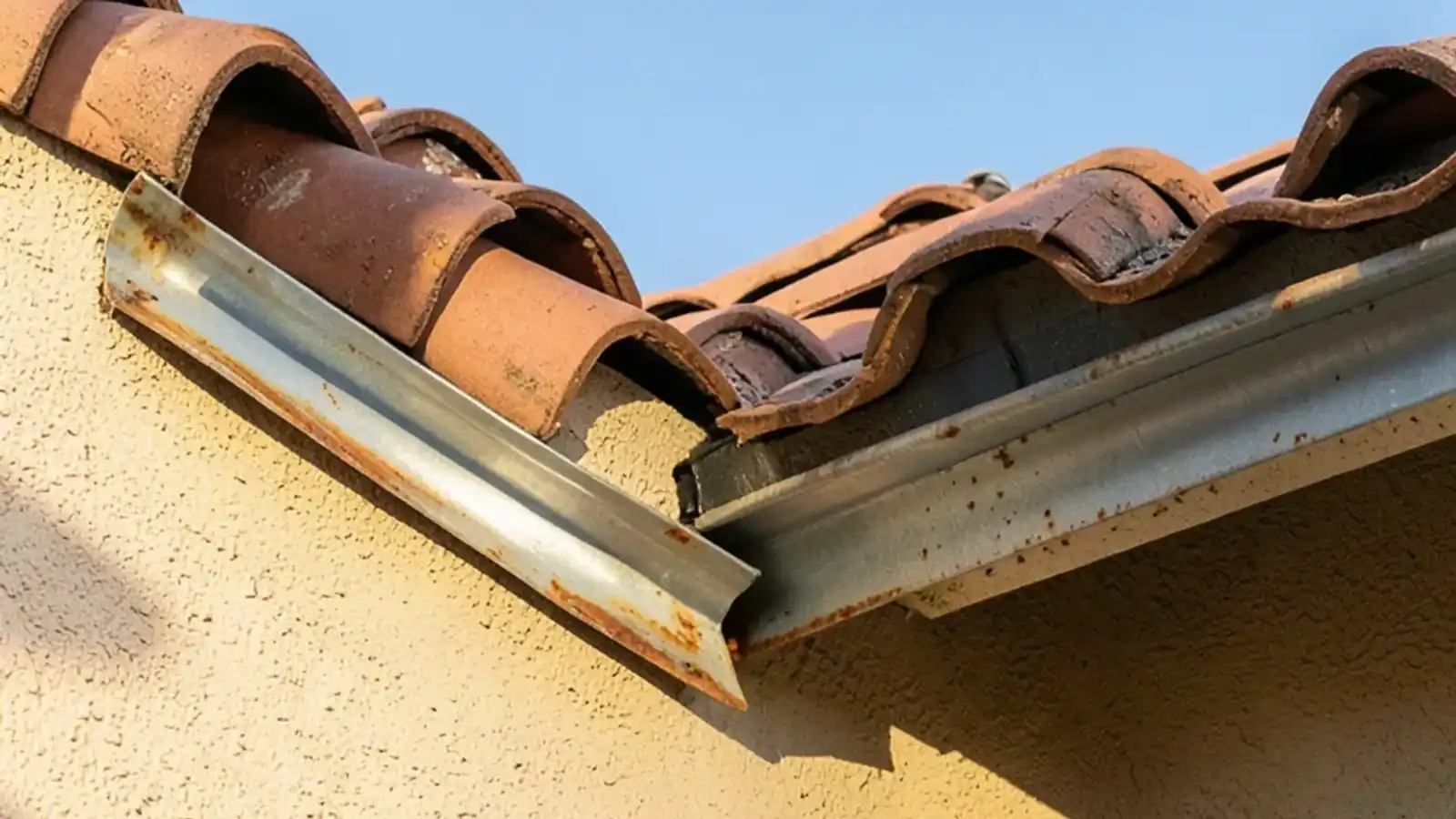
Roof flashing repair in Los Angeles means replacing or resetting the thin metal that seals the joints in a roof, at walls, valleys, vents and edges. It is the most common source of hidden leaks because water finds the one gap the shingles or tile cannot cover. We repair the joint properly, not just coat over it.
- ★ 4.9 on Google · 69 reviews
- Same-day or next-day bookings
- Based in Van Nuys, CA
On this page
- Types of flashing and where each one fails
- What causes flashing to fail on Los Angeles roofs?
- How do you know your flashing has failed?
- How we repair flashing, step by step
- What affects the cost of roof flashing repair?
- Flashing, drip edge and code: what the rules expect
- Why Clear Shield for roof flashing repair in Los Angeles
- Common questions
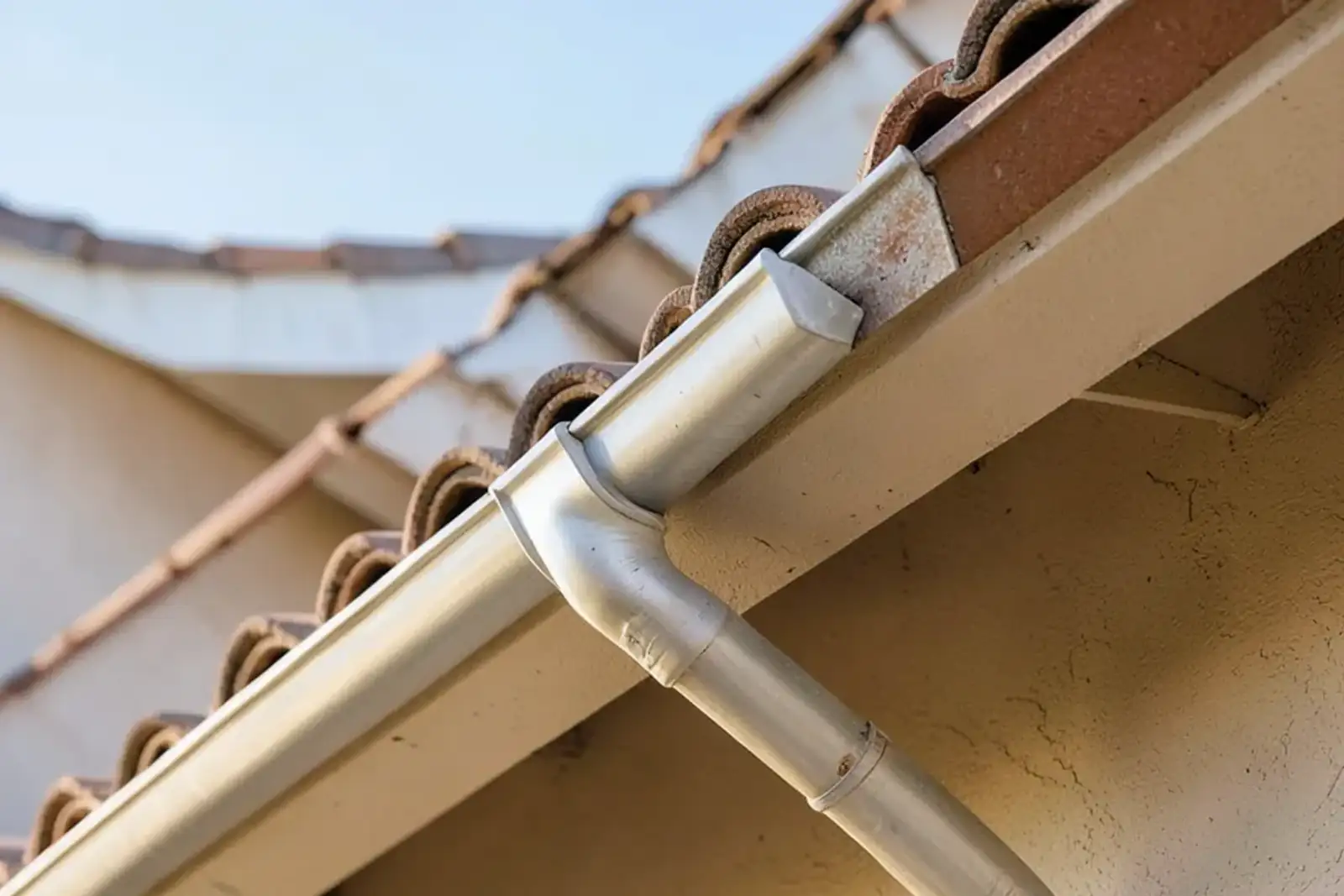
Flashing is the metal, usually galvanized steel, aluminum or copper, that seals a roof where one surface meets another. It sits at walls, valleys, vents, chimneys, skylights and the edge of the roof. Shingles and tile shed most water. Flashing handles everything the shingles and tile cannot.
That is why flashing causes so many leaks, and why roof repair in Los Angeles often starts at the joints. If the leak is at the chimney, see chimney flashing repair. For the ridge, see ridge cap repair.
Types of flashing and where each one fails
Each flashing detail has its own failure mode, and each repair differs.
| Flashing type | Where it sits | How it usually fails |
|---|---|---|
| Step flashing | Along a wall that meets a sloped roof | Pieces lift, rust or get buried by siding or stucco |
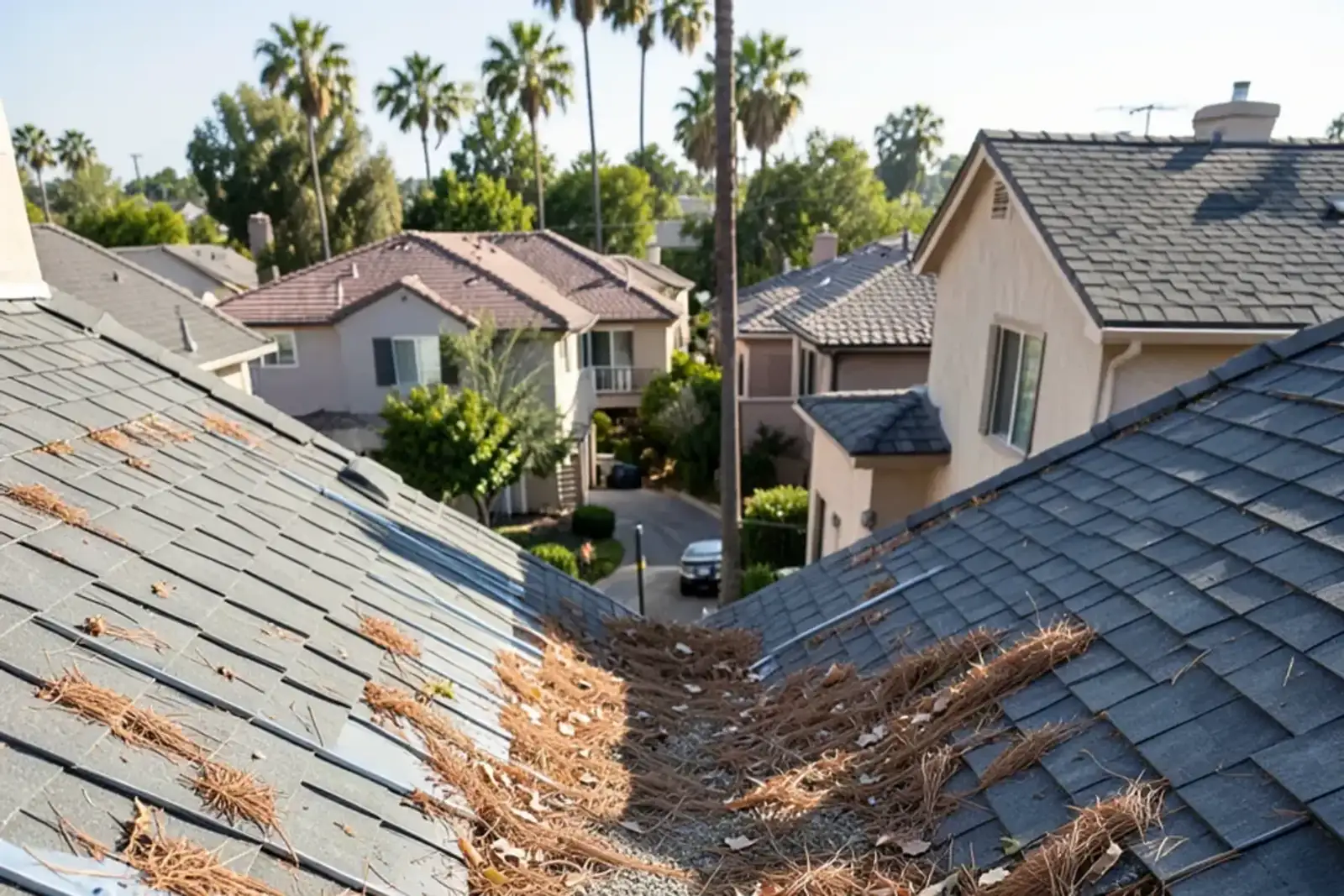
| Valley flashing | Where two slopes meet | Debris dams water, metal rusts through |
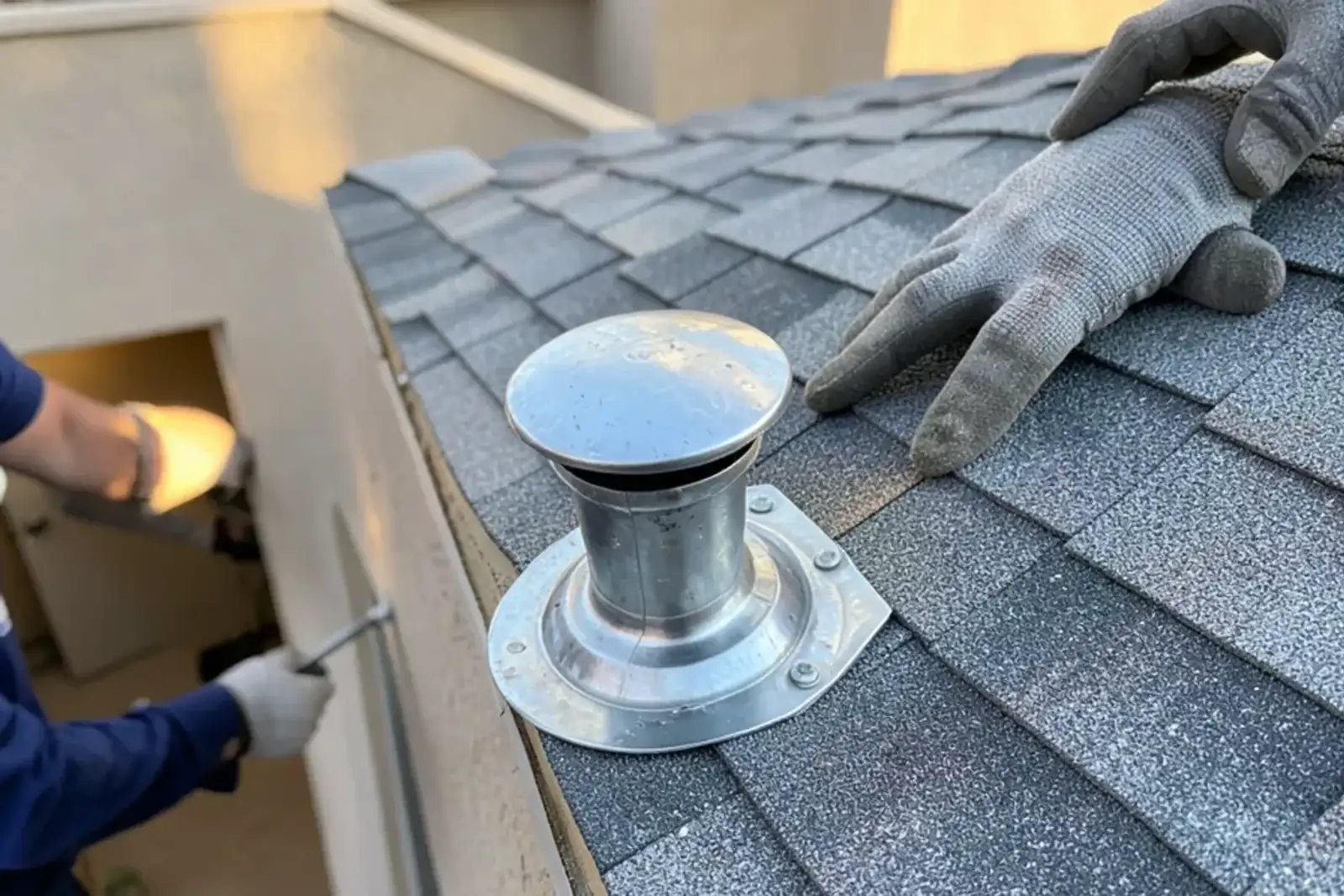
| Pipe and vent flashing | Around plumbing vents and exhausts | Rubber collars crack, seals open |
| Wall or apron flashing | Where a roof meets a wall at the bottom | Sealant dries, metal pulls free |
| Drip edge | Roof eaves and rakes | Bends, rusts, or was never installed |
| Kickout flashing | At the bottom of a wall run | Missing, so water runs into the wall |
What causes flashing to fail on Los Angeles roofs?
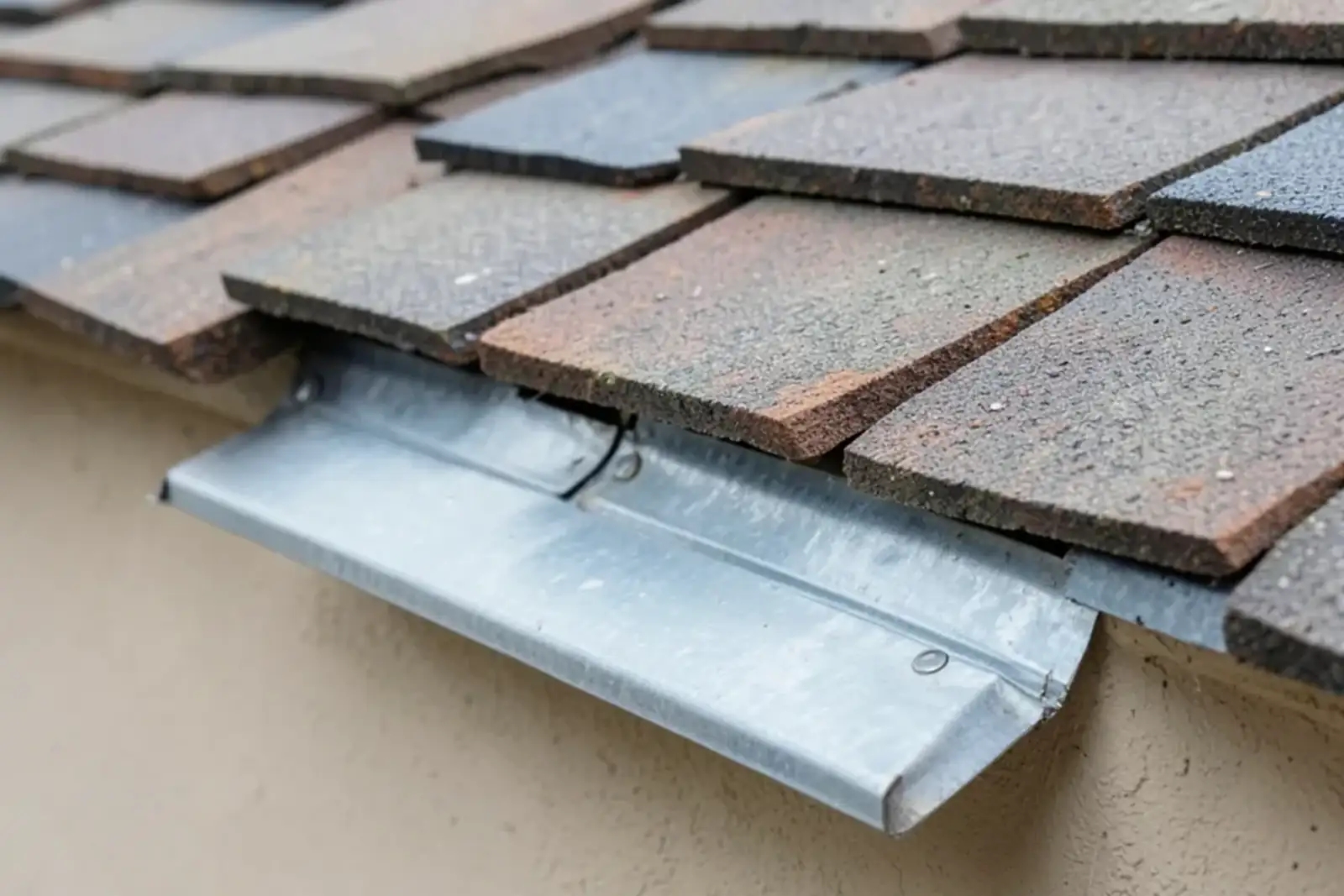
Heat and movement do the damage. Sealant shrinks under long dry summers, and Van Nuys averages about 77 days a year at 90°F or hotter by NOAA's normals. Stucco homes add a second problem, because the wall moves differently from the roof and opens the joint between them.
Other causes to rule out:
- Rust, especially on older galvanized steel and in marine air
- Re-roofing without replacing flashing, so new shingles sit on a worn metal joint
- Debris in valleys, which holds moisture against the metal
- Missed details such as wall ends with no kickout
- Additions and remodels that tie new roofing into an older roofline
Coastal conditions matter. Near the water in Santa Monica, salty bay air shortens the life of thin metal. In La Crescenta-Montrose, pine needles and canyon gusts test valleys and roof edges every Santa Ana season.
How do you know your flashing has failed?
The roof rarely tells you directly. The signs are indirect.
- Brown stains on a ceiling along an outside wall or beneath a vent
- Bubbling paint or damp stucco just below the roofline
- Rust streaks, gaps or lifted metal at a roof joint
- Sealant that is cracked, peeling or smeared
- Water that appears only during hard, wind-driven rain
Our guide on how to spot failed roof flashing walks through what to look for from the ground. Do not climb up to look. A wet roof is a poor place for a homeowner.
How we repair flashing, step by step
- Locate the entry point. We follow the water from the stain back through the attic and up the roof.
- Open the joint. The shingles, tile or siding around the flashing are lifted so we can see what the water has been doing.
- Check what is below. If the underlayment or deck is damp or soft, it is replaced.
- Fit new metal. Pieces are cut to the joint and layered so water always runs onto the next piece, not behind it.
- Restore the cover. Shingles or tile are set back over the flashing, with sealant only as a finishing detail.
- Test and photograph. Where conditions allow we run water over the repair to confirm it holds, and you see the photos.
A flashing repair from us normally includes:
- Tracing the leak to a specific joint, not just the nearest stain
- Replacing worn step, valley, wall or vent flashing with new metal
- New underlayment or deck repair where water has reached it
- Drip edge repair or replacement at the affected eave or rake
- Photos of the joint before and after, with a water test where conditions allow
What affects the cost of roof flashing repair?
Cost follows the number of joints, the roof material and the access. Replacing a single vent flashing is a short job. A long run of wall flashing on a two-story house takes longer. Tile requires lifting and resetting, and shingles are simpler to weave back, which is why the same detail can price differently on two roofs.
Metal choice has a small effect. Hidden problems can raise the total, for example rotted trim or damaged sheathing behind the metal. The written price follows our look at the joints and comes before any work.
Flashing, drip edge and code: what the rules expect
Flashing repair generally raises few permit questions, but the scope matters. Rules vary by address, so confirm with LADBS, your city or the county. Building codes generally expect flashing at roof-to-wall joints and penetrations, and drip edge at eaves and rakes on new roofing. A re-roof is the time to replace worn flashing, since the old metal is exposed anyway.
Storm damage that bends or removes flashing may be covered by your homeowners policy, but wear usually is not. We will inspect the joint, take photographs and write a repair estimate. The claim itself is negotiated by you or a licensed public adjuster.
Why Clear Shield for roof flashing repair in Los Angeles
Flashing problems hide, so the trace matters more than the patch. Reviewers describe water leaks traced around a window, leaks traced before coating and a full water test after the repair. One customer lists hidden problems the crew found, including a poorly placed roof vent. Another Van Nuys reviewer describes pictures and measurements before the price, which suits a flashing job where the cause sits in a few small joints. Each repair is written up so you can see which joint was fixed and what was done to it.
What Van Nuys customers say about leak tracing
“They also performed a full water test afterward to make sure the leak was fully resolved, and everything stayed dry.”
“The crew’s workmanship looked top-notch, and they kept me updated by sending drone photos of the roof work as it happened, which was really helpful since I wasn’t about to climb up there myself!”
“During the new roof installation, a small leak showed up after some seasonal rain, and Frederick and the crew responded right away, even on a Sunday morning, to fix it fast.”
4.9 on Google · 69 reviews as of November 2026. Read all reviews
We cover Beverly Hills, where period Revival homes put clay tile work ahead of routine shingle jobs. In East Los Angeles, an unincorporated community, permits come through the county. Our roof leak repair page covers the full trace when the source is still unknown.
Roof Flashing Repair: common questions
How do I know if my flashing has failed?
Look for rust, gaps, lifted edges, dried-out sealant and stains on the ceiling or wall near a roof joint. Water marks that run in lines below a wall, vent or valley are the strongest clue. From the ground, binoculars help. We confirm in the attic, where a trail of dark wood leads back to the failed joint.
Can flashing be repaired without replacing the roof?
Usually, yes. Flashing sits in the joints of the roof, and on shingle roofs we lift the courses around it, replace the metal and weave the shingles back. Tile needs more lifting. If the roofing around the flashing is also worn out, replacing flashing alone only moves the next leak somewhere else.
Does drip edge need replacing during a repair?
Not always. Drip edge guides water into the gutter and keeps it off the fascia and deck edge. If it is bent, rusted through or missing, we replace that run. On a small repair away from the eave we leave it alone. Building codes generally expect it on new roofing, so ask your building department about your address.
Why does flashing fail near stucco walls?
Stucco is porous and moves, so the seal between metal and wall opens first. If the wall ends at the roof without a kickout, water runs down the wall and into it. The stain shows up below the roofline, often months later. We check the wall above the flashing before deciding what to repair.
Is caulk over old flashing a lasting fix?
Rarely. Sealant is a short-term patch over a gap, and sun and movement break it down within a few seasons. It can also hide a lifted piece of metal while water keeps moving behind it. We replace the failed piece or reset it, and use sealant only as a finishing detail.
Areas served for roof flashing repair
- La Crescenta-Montrose, CAFoothill homes against Angeles National Forest, where pine needles and canyon gusts clog valleys and lift roof-edge metal.
- Duarte, CAHomes at the base of the San Gabriel Mountains along Huntington Drive, where Santa Ana gusts work on roof-edge metal and wall joints.
- Diamond Bar, CAHillside tracts governed by HOAs, so flashing replacement on visible edges may need matching metal color and approval.
- Ojai, CAA mountain-ringed valley with Spanish-influenced buildings, where tile-to-wall flashing is a frequent detail.
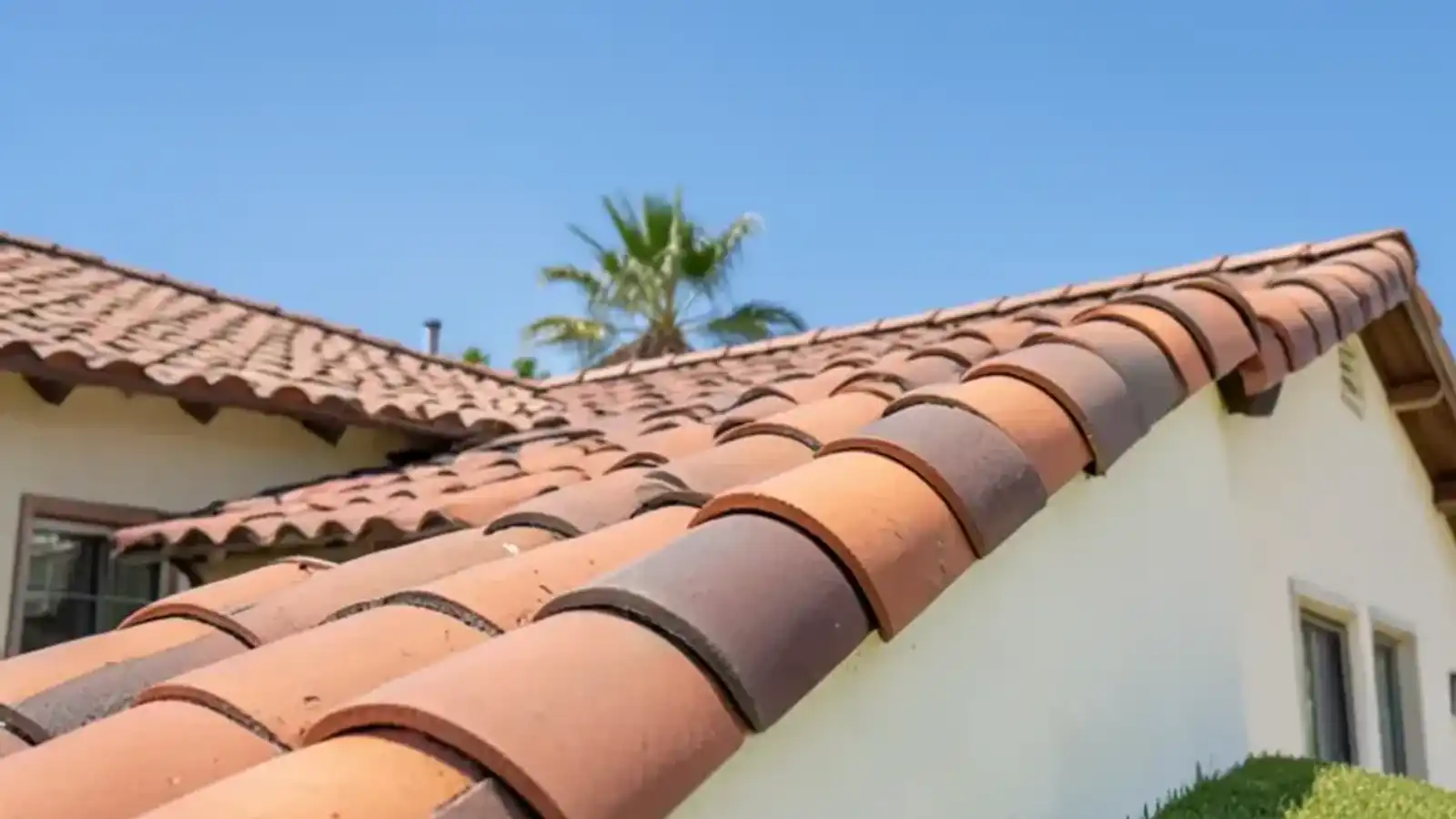
- San Gabriel, CAClay tile is the signature roof, so flashing work usually means lifting tile and resetting it over new metal.
- Long Beach, CASalt air near Belmont Shore and older homes in California Heights, where thin or rusted metal and old stucco joints fail.
- Aliso Viejo, CAMaster-planned tracts built mostly from the 1980s on, where HOA material rules apply to visible flashing and vent metal.
- Bellflower, CAHomes from the 1950s on former dairy and farm land, where original flashing is long past its service life.
- West Athens, CASmall older homes in an unincorporated community under county permitting, where patched flashing hides repeat leaks.
- Beverly Hills, CA
- Bell Canyon, CA
- Santa Monica, CA
- Riverside County, CA
- South Pasadena, CA
- West Whittier-Los Nietos, CA
- Maywood, CA
- West Rancho Dominguez, CA
- Willowbrook, CA
- West Puente Valley, CA
Need roof flashing repair?
Call and tell us what you are seeing on the roof. We will take it from there.